Dedham Top Home Appraisal for Professional Property Valuations
Dedham Top Home Appraisal for Professional Property Valuations
Blog Article
Reliable Home Appraisal Services to Enhance Your Property Value
Accurate home valuation services play an critical part in establishing real estate worth. They give property owners with vital insights into property values, enabling them to establish market-aligned pricing. Recognizing the elements that influence appraisals can greatly impact financial outcomes. However, many property owners remain unaware of the complexities at play. What misconceptions might impede their capacity to maximize value? Investigating this deeper reveals key strategies and considerations that could transform a property owner's approach.
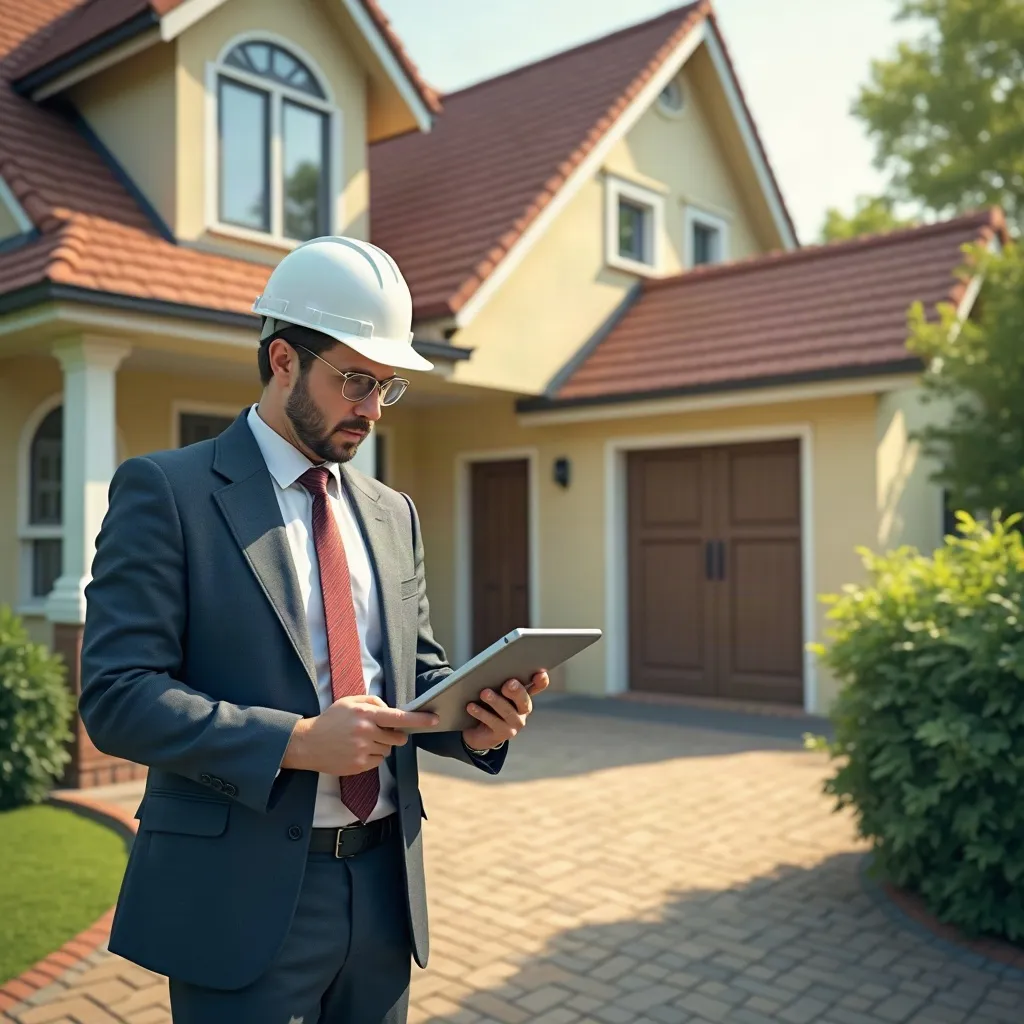
Why Thorough Home Appraisals Are Key for Property Sellers
Accurate residential appraisals are important for sellers trying to achieve a successful transaction. A precise appraisal provides a clear understanding of the market value of a property, allowing sellers to set a reasonable price. When a home is priced correctly, it attracts a larger pool of potential buyers, increasing the likelihood of a quicker sale. Inaccurate appraisals can result in price inflation or underpricing, which may deter buyers or result in financial loss.
Sellers reap benefits from a detailed appraisal that illustrates present market conditions and parallel properties. This perspective not only reinforces assurance during bargaining but also plays a role in justifying the sale price to interested purchasers. Moreover, thorough appraisals streamline seamless transactions, as they can reduce obstacles during the mortgage process. At the end of the day, choosing a solid appraisal service can substantially elevate a seller's market position in the property sector.
Essential Factors That Effect Home Appraisal Values
The appraisal values of homes are greatly influenced by multiple important elements. The location of a real estate plays an essential role, as neighborhoods with better amenities and schools typically produce greater valuations. Furthermore, the state of the house itself is evaluated, with properly cared-for homes generally commanding increased worth.
Why property placement is essential for achievement
The property's geographical position plays an essential role in establishing home appraisal values. Access to convenient services such as schools, parks, shopping centers, and public transportation can greatly enhance a property's marketability. Neighborhood security and general desirability also support higher appraisals, as buyers often prioritize living in desirable areas. Additionally, regional economic conditions, including employment opportunities and future development plans, can affect property values. Zoning regulations and land use policies additionally shape the potential for growth and investment in a given location. Moreover, comparable sales in the surrounding area provide appraisers with crucial data, establishing benchmarks for valuation. Ultimately, a strategic location can increase demand, making it a key consideration in the home appraisal process.
Residence Condition Assessment
The overall state of a residence significantly impacts its appraisal value, complementing the importance of location. Appraisers evaluate building soundness, including foundation, roofing, and plumbing systems, to determine potential repair costs. A properly cared-for residence with modern improvements typically commands a greater worth, while homes needing significant restoration may experience considerable value loss. Additionally, the aesthetics, such as outdoor appearance and indoor state, serve as an important factor in initial perceptions. Energy efficiency and contemporary features can also enhance appraisal outcomes, reflecting current buyer preferences. In the end, keeping a property well-maintained both safeguards its market value but can also result in faster transactions and reduced negotiation time, making home condition assessments essential in the assessment procedure.
Your Home's Worth and How Local Market Conditions Impact It
Understanding how regional market movements influence a home's value is crucial for homeowners and prospective purchasers alike. Real estate markets are ever-changing, shaped by multiple factors such as supply and demand, economic conditions, and neighborhood desirability. For instance, in a thriving community with new developments and amenities, property values typically increase. Conversely, areas facing economic decline may see stable or dropping prices.
Seasonal trends also play a role; homes often receive better offers in spring and summer thanks to elevated buyer activity. Additionally, local employment rates and school district performance markedly affect buyer interest and, consequently, property values.
Homeowners should remain knowledgeable about these developments to make educated decisions regarding their real estate investments. By comprehending the regional market conditions, they can more effectively place their homes for appraisal and potential sale, ultimately increasing their property value.
Haggling Tactics for Purchasers Employing Appraisal Results
In the sphere of home buying, grasping appraisal value trends is important for productive negotiation. Buyers can employ appraisal insights to create strategic tactics and present compelling market comparisons to bolster their position. By applying these strategies, they can navigate negotiations with greater confidence and conceivably secure a better deal.
Discover Appraisal Value Trends
How do property valuation patterns influence negotiation strategies for buyers? Comprehending these trends gives purchasers with important understanding into market movements, allowing them to make informed decisions. By examining recent sales data and neighborhood valuations, purchasers can identify whether a property is reasonably valued or overvalued. This knowledge enables them to enter negotiations with assurance, using data to support lower offers when needed. Moreover, recognizing positive or negative market movements can help buyers schedule their purchases more efficiently, possibly preventing overinflated costs. Also, awareness of regional market circumstances can empower purchasers to set practical goals, ultimately leading in more successful negotiations. Therefore, understanding appraisal value trends is essential for calculated purchaser bargaining in real estate.
Leverage Appraisal Negotiation Tactics
Harnessing valuation insights can considerably enhance a buyer's negotiation strategies in real estate transactions. By grasping the property's established value, buyers can successfully present their position during negotiations. If the appraisal indicates a less value than the asking price, buyers can leverage this data to negotiate a better deal, potentially lowering their financial commitment. Furthermore, insights into specific property features and market conditions can empower buyers to challenge inflated pricing. Understanding comparable sales can also give leverage, helping buyers justify their bids. Ultimately, applying these appraisal-based strategies supports informed decision-making and fosters a more balanced negotiation environment, increasing the odds of a favorable outcome.
Present Persuasive Market Comparisons
Understanding the appraised value of a property provides buyers with a strong foundation for bargaining. By presenting persuasive comparable sales, buyers can effectively advocate for a reasonable cost. This involves analyzing recent sales of comparable homes in the area, concentrating on factors such as square footage, location, and amenities. Buyers should gather data from multiple sources, including local real estate listings and appraisal reports, to strengthen their position. Emphasizing discrepancies between the appraised value and the asking price can encourage sellers to reconsider their stance. Additionally, demonstrating awareness of current market trends can instill confidence in the buyer's negotiation strategy, ultimately resulting in a more favorable outcome in the purchasing process. Insightful comparisons can therefore be a effective instrument in negotiations.
What False Beliefs About Home Appraisals Should You Ignore?
What misconceptions regarding home appraisals that homeowners should dismiss? Many think that appraisals are purely subjective, influenced by the appraiser's personal opinions. In reality, appraisals depend on objective information, including comparable property sales and market trends. Another myth is that home improvements always increase property value. While upgrades can improve appeal, they do not guarantee a proportional increase in appraisal value. Additionally, some homeowners matching information think that appraisals are only necessary during a sale. However, getting an appraisal can be beneficial for refinancing or estate planning as well. Ultimately, the notion that appraisals are set in stone is misleading; values can fluctuate based on market conditions. By debunking these myths, homeowners can approach the appraisal process with a clearer understanding, ensuring they maximize their property value effectively.
Finding the Ideal Appraisal Service
Finding the ideal appraisal service can profoundly affect the output of a property value assessment. Property owners should weigh several essential aspects when picking their provider. First, ensuring the certifications and expertise of the property professional is necessary. Licensed appraisers with understanding of local market dynamics are more likely to deliver accurate assessments.
Secondly, prospective clients should request recommendations and check testimonials to gauge the reputation of appraisal services. A solid history and positive client feedback can be signs of reliability.
Another critical aspect is understanding the appraisal process and costs. Clear pricing structures and clear communication about approaches can strengthen confidence between the property owner and the appraiser.
To conclude, surveying the breadth of services offered can help confirm that the valuation company aligns with your needs, whether for home refinancing, selling, or legacy planning. A wisely selected valuation company can provide a more detailed property assessment, ultimately raising worth.
How Can I Get Ready for an Assessment?
How can homeowners properly ready for an assessment? First, they should straighten and sanitize their homes to create a welcoming environment. This enhances the overall impression and allows the appraiser to direct attention to the property's features rather than personal items. Next, property owners should compile relevant documents, including past appraisals, tax assessments, and improvement receipts; this information can support the property's value.
Additionally, addressing small fixes—such as fixing leaky faucets or repainting marked surfaces—can significantly affect the appraisal outcome. Ensuring that all systems including plumbing, electrical, and HVAC are in proper condition is also essential. Finally, property owners should provide the appraiser with a record of latest improvements or updates, as these can influence appraisal value. By following these actions, property owners can showcase their properties in the most favorable way, ultimately aiding in achieving a positive valuation outcome.
Frequently Inquired Questions
How Long Does a Home Appraisal Usually Take?
A home evaluation typically takes between 30 minutes to two hours, based on the property scale and difficulty. Factors such as accessibility and the appraiser's thoroughness can also influence the timeframe of the undertaking.
What credentials Must an valuation expert Have?
An appraiser should hold a state certification or certification, industry experience, and understanding of local real estate markets. Additionally, sharp analytical skills and close attention to detail are important for accurate property appraisals.
Can I challenge a reduced Appraisal Value?
Yes, a property owner can challenge a reduced appraised amount by providing evidence such as similar property sales, property improvements, or errors in the assessment document. A official objection can result in a reassessment of the home's worth.
How Often Should I Have My Home Assessed?
Homeowners might want to think about having their property evaluated every three to five years, especially after substantial renovations or market shifts. Consistent assessments help keep an precise understanding of a home's existing monetary worth.
Do Home appraisals modify Home Insurance Rates?
Property appraisals can influence home insurance rates, as they determine the property's value. Higher appraisals may cause increased premiums, while lower appraisals could produce reduced insurance costs, reflecting the property's perceived risk and replacement value.
Report this page